Novohradská 3,
821 09 Bratislava
Tel: 02/210 28 300 (recepcia)
Tel: 02/210 28 301 (riaditeľka)
Tel: 02/210 28 324 (jedáleň)
Tel: 02/210 28 XXX (kabinety cez priame klapky)
E-mail: vedenie@gjh.sk
Zobraziť podrobnejšie kontakty
22-24 October 2026
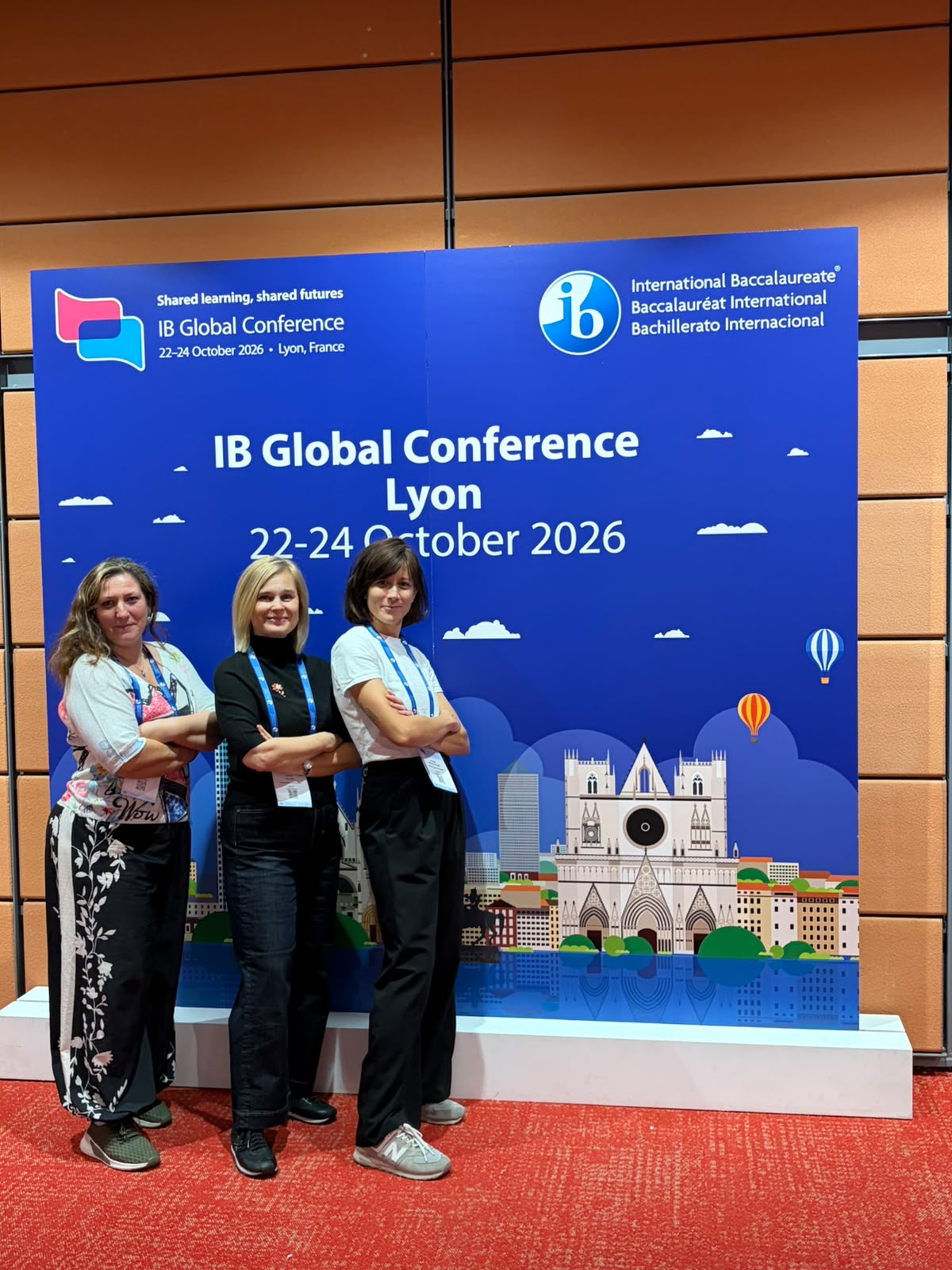
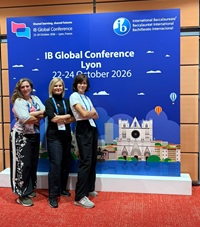
From 22 to 24 October 2026, the annual International Baccalaureate (IB) Global Conference was held in Lyon, France, with representation from Spojená škola Novohradská.
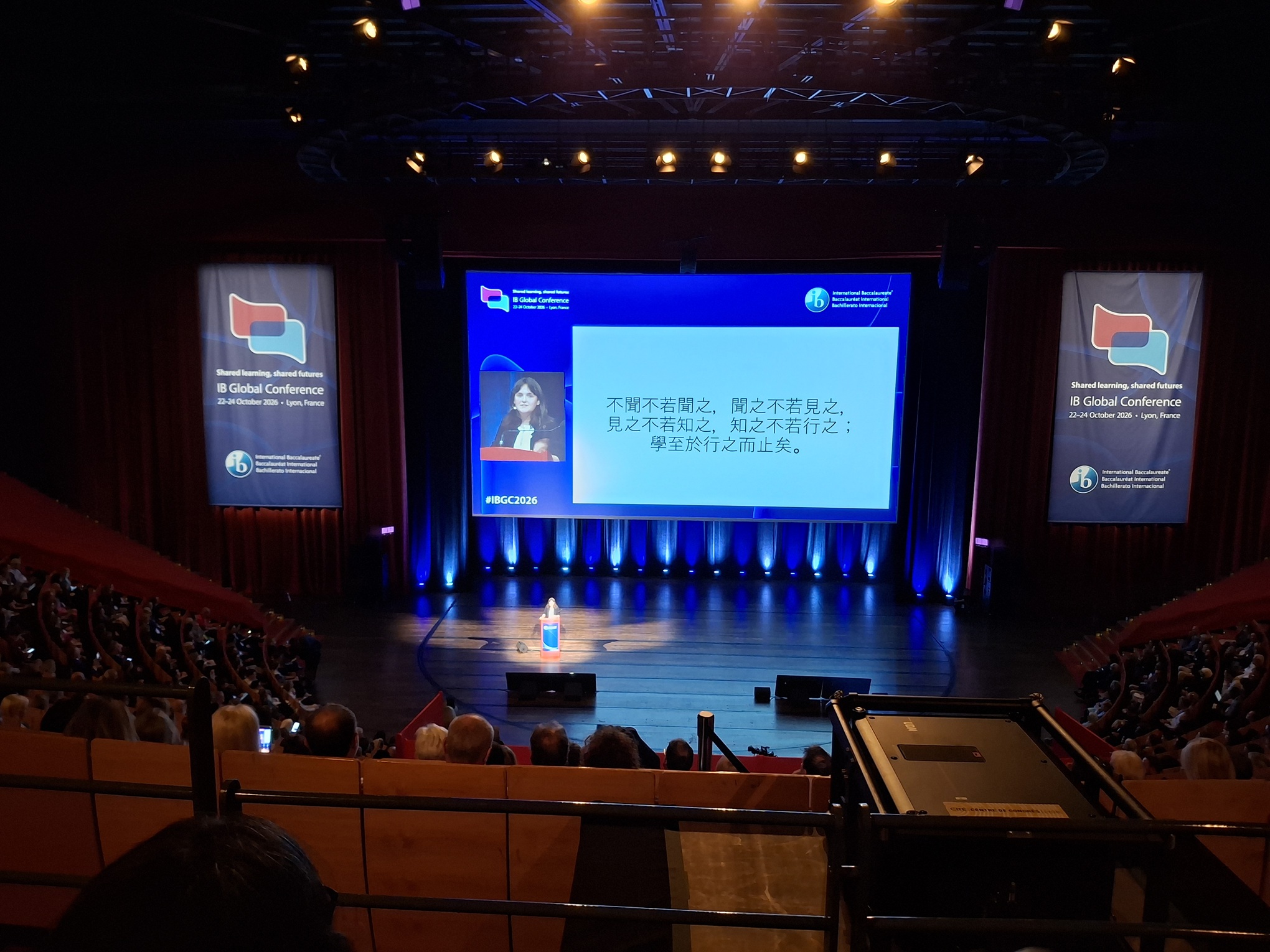
For conference participants, including teachers, programme coordinators, and heads of IB schools, the Lyon Convention Centre offered a total of 120 workshops, presentations, and interactive sessions.
The main theme of this year's conference was captured in the statement: “Shared Learning, Shared Futures.” We all recognize that our global society is more polarized than ever before, and that only through mutual dialogue, active listening, and accepting perspectives from people living in different circumstances can we significantly contribute to building a better society. The conference provides a unique opportunity for participants to engage with the key themes communicated by the IB organization across its global community. It also offers networking opportunities to establish partnerships between schools, collaborate with peers during interactive workshops, work on micro-tasks, and provide bottom-up feedback, thereby contributing to the co-creation of future strategies and tools.
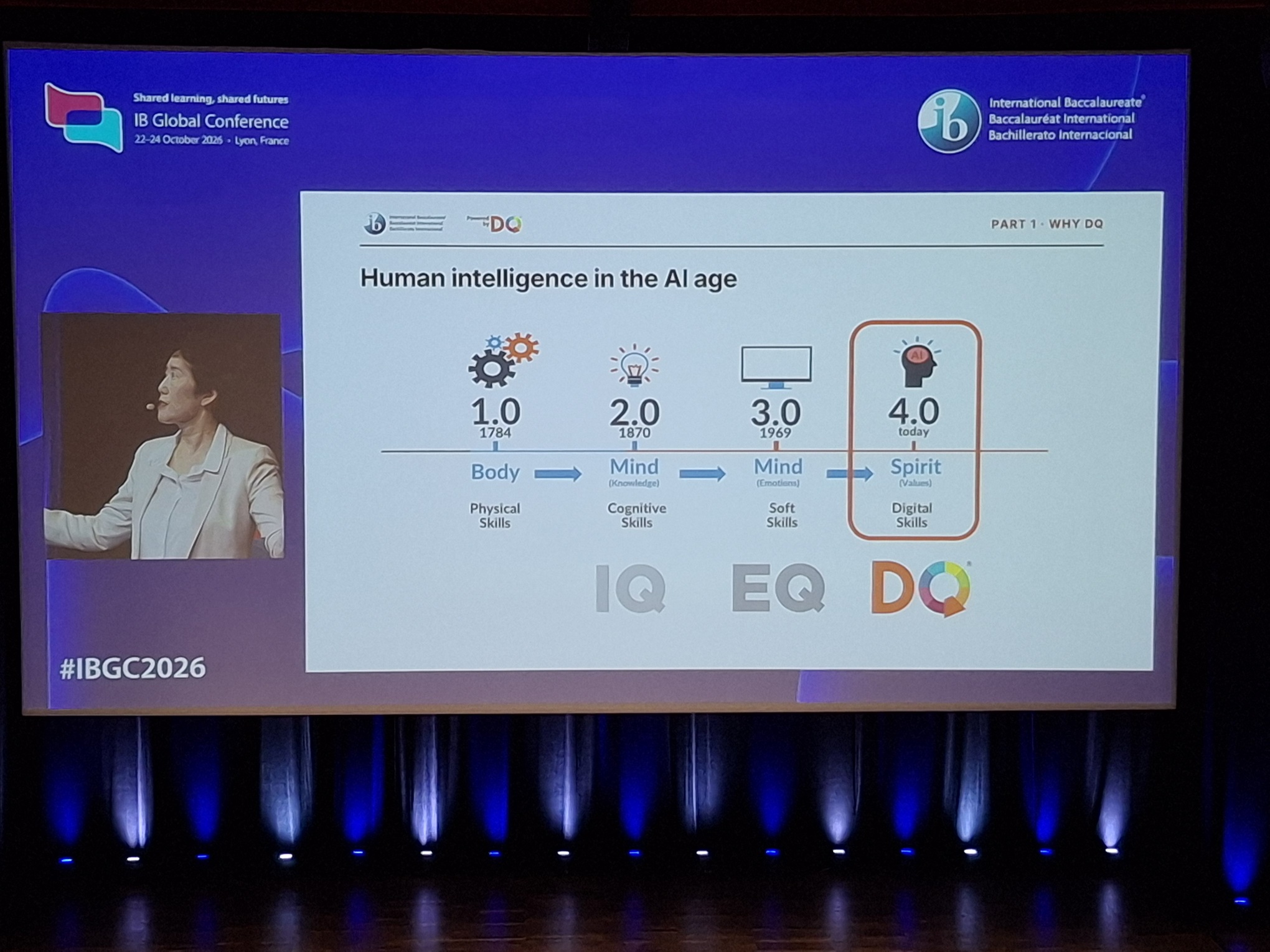
Among the many topics discussed at the conference, two particularly resonated with us. The first was the transition of IB examinations to a digital format, which represents a complex process from multiple perspectives. The second, continuing from last year's discussions, was Artificial Intelligence, but explored within the broader context of Digital Intelligence (DQ).
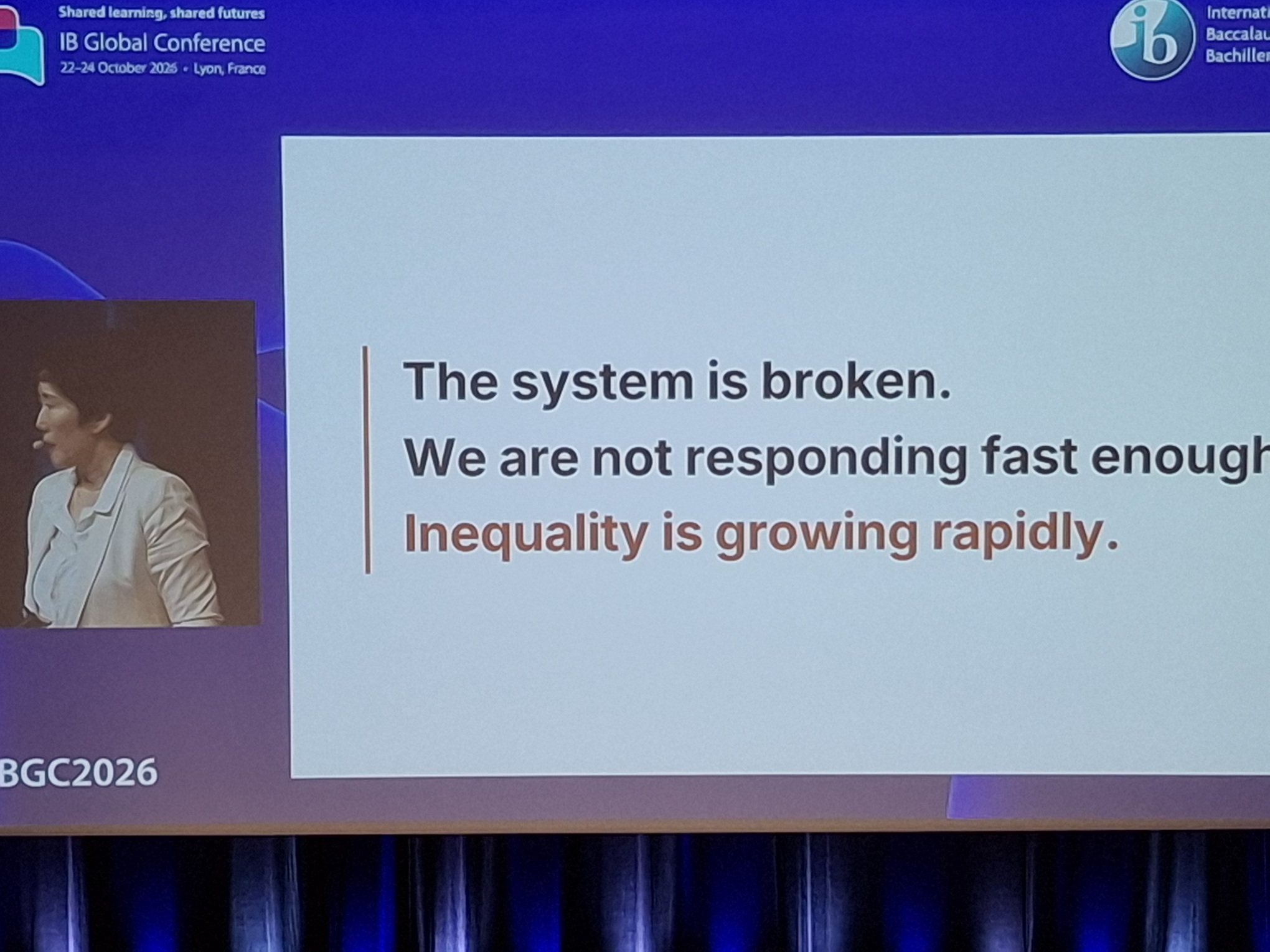
According to Dr. Yuhyun Park, the keynote speaker and a respected expert in digital skills, ethics, and economics: “Education must lead, not be led, by technology.” This message emphasized the role of education, the need to strengthen students’ critical thinking skills in the digital age, and the aim to focus on the ethical dimensions of decisions that profoundly affect individuals on a mental and personal level. From the perspective of schools and educators, it is essential to act now by teaching young people AI literacy and, above all, by highlighting the ethical implications of AI use